How to Stay Productive During Long Workdays Without Losing Focus
Long hours at your desk can sap your energy and motivation before you realize. Sometimes you catch yourself fading, yet deadlines loom. Strategies that help you stay productive work wonders when you start to drift.
Managing such days isn’t just about grit; it’s about structuring time, redefining priorities, and making tiny course corrections as you work. Real productivity emerges from consistent habits and smart rituals.
This guide walks you through tested practices and creative tactics. If you want to stay productive work routines into your workflow, keep reading and discover practical steps to make your long workdays manageable.
Energy Management That Matches Your Workload
When you tune your energy to your biggest tasks, you steer clear of burnout and maximize output. Structure workday sprints with breaks and clear intention.
Start by mapping high-focus hours and placing deep work there. Use lighter tasks after lunch when energy naturally dips, helping you stay productive work mindset.
Using Early Energy for Meaningful Work
Block your first two work hours for your toughest project. Turn notifications off, copy this phrase to colleagues: “Heads down on an early project—will reply at 10.”
This strategy uses your brain’s morning clarity for demanding tasks. Save checking email for mid-morning, using momentum from progress to tackle low-priority chores.
When you stick to early priority routines, your productivity rises steadily. Instead of urgent tasks creeping in, you work proactively and feel in control.
Break Structure That Actually Restores Your Mind
The Pomodoro technique can help: work for 25 minutes, then stretch and breathe for 5 minutes. Try this at your desk to refresh focus immediately.
Walking outside during lunch gives your brain a perceptible reset. Notice how subtle movement shifts your mood and readiness for the next segment, helping stay productive work habits stick.
Stack two Pomodoros and reward yourself with a playlist or snack. This positive feedback loop maintains your energy and keeps you working intentionally.
| Strategy | When to Use | What it Solves | Takeaway |
|---|---|---|---|
| Morning Deep Work | Before 11am | Procrastination, slow starts | Do toughest task first to build momentum for the day |
| Pomodoro Breaks | Every hour | Mental fatigue | Short breaks revive focus better than powering through |
| Walking Lunch | Midday | Afternoon slump | Physical movement and sunlight boost energy naturally |
| Priority Mapping | Morning & after lunch | Task overload | Separate deep work from easy wins, align with energy |
| End-of-Day Review | Last 15 mins | Unfinished business | Prepares your mind for tomorrow and smooths workflow |
Task Batching for More Efficient Work Blocks
Batching similar tasks reduces mental clutter and keeps your mind in one groove. This method helps you stay productive work on lengthy days by preventing unnecessary context switches.
Begin by grouping emails, calls, and focused solo work. Assign windows for repetitive actions, making your effort multiply as you move through each batch with a single purpose.
Making Email Blocks Save You More Time
Bounce between urgent email and work, and your attention fractures. Instead, open your inbox just three times a day: start, just after lunch, and before you finish.
A simple status reply—like “Got it, will follow up end of day”—placates senders and buys you time. Batch replies just before lunch, so you enter your break with a clear head.
- Set fixed windows for checking emails—ensures all urgent items are handled together, reducing distraction and boosting concentration for critical assignments.
- Draft template responses for routine questions—saves typing and maintains professionalism, freeing up mental space and helping you stay productive work periods longer.
- Acknowledge emails quickly even if you can’t resolve them—builds trust, keeps communications smooth, and gives you control over your workflow and schedule management.
- Clear email folders twice a week—organizes information, reduces search time, and limits clutter. Use folders for projects or deadlines for faster sorting and reference.
- Close your email tab—prevents the habit of random inbox checks, saving you from sudden interruptions that break deep focus and breed unnecessary stress.
Energize your afternoon by reflecting on what’s been accomplished. Use this to inform which batch to schedule next, keeping your stay productive work goals on track.
Grouping Similar Tasks for Streamlined Momentum
Handle phone calls, paperwork, or project updates as clusters. Set a recurring block after meetings, so your mind doesn’t have to switch gears repeatedly.
- Make calls back-to-back—and stand while dialed—so conversations flow and energy stays up; this sequence mimics in-person networking for lasting productivity.
- Group all file organization and document edits, minimizing lost time between windows. It’s easier to focus on details and spot missing items in bulk processing mode.
- Set a project batch for complex deliverables; tackle related charts or summaries in one session, correcting errors while memory is fresh and momentum high.
- Batch errands or supply requests together, avoiding frequent desk departures. More continuous desk time means less physical and attention drift that sabotages your stay productive work commitment.
- Automate repetitive admin with digital forms or macros, scheduling a weekly admin block. This shrinks boring work into a single mental window, maximizing your creative hours elsewhere.
When task batching becomes habit, your brain finds flow faster. Each batch completed deepens commitment to staying on track and hitting your stay productive work markers.
Microbreaks That Actually Refresh You Physically and Mentally
Short breaks done right help your body and brain rebound. Add these to your day and notice new energy surges, clearer thinking, and long-term comfort.
Microbreaks aren’t just standing up—they involve movement, hydration, or brain resets that reawaken your focus. Use them each hour, especially after concentrated work blocks.
Counteracting Screen Fatigue
Every hour, stretch arms upward while inhaling slow and deep. Hold for ten seconds, then roll your shoulders. This eases tension and restores alertness instantly.
A second strategy: focus your gaze on a point twenty feet across the room for at least twenty seconds. This exercise relaxes eye muscles and prevents tired eyes during a stay productive work day.
Lightly massage your temples or walk a lap around your workspace. Small, simple actions like these can noticeably boost alertness and physical comfort.
Hydration and Snack Rituals
Keep water within arm’s reach, sipping every fifteen minutes. Hydration directly affects energy and concentration, supporting your stay productive work intention hour after hour.
Plan healthy snacks—nuts, fruit, or yogurt—before you sense hunger. Eating preemptively staves off energy crashes, making it easier to continue high-effort tasks until your next meal.
Avoid sugary drinks and empty-calorie snacks; they trigger a short surge, followed by more sluggishness. Consistency in choices builds stamina for the longest days.
Physical Workspace Tweaks Create Big Focus Gains
Your environment can quietly sap your mental resources, affecting the ability to stay productive work states for more of the day. Make your desk work for you, not against you.
Adjust your chair and monitor until your posture feels natural. Light matters too: a lamp bouncing soft light across your screen eases eyestrain and brightens your mood on gloomy days.
Desk Ergonomics That Make Focus Last Longer
Raise your monitor so your eyes align with the top third—reduces neck strain, letting you focus longer. Rest wrists while typing to prevent fatigue during heavier tasks.
Keep your feet flat; avoid crossing legs for extended periods. When your whole body feels balanced, returning to a stay productive work rhythm after breaks is much easier.
Hide unused items in a drawer and give yourself ten minutes each morning to reset your workspace. A tidy desk cues your brain for action and lowers decision stress.
Sound and Light Adjustments You Can Make Today
Noise disrupts concentration, so wear soft headphones or play background sounds to drown out chatter. Experiment with gentle white noise, instrumental music, or soft workspace playlists.
Natural light boosts focus, so open blinds wherever possible. If not, choose warm bulbs that mimic daylight instead of stark, office-style fluorescents to combat fatigue.
Test minor tweaks—swap a chair, adjust light angle, or relocate a plant nearby—to reinforce the stay productive work mood every day without big expense or effort.
Planning Tools That Anchor Your Day’s Direction
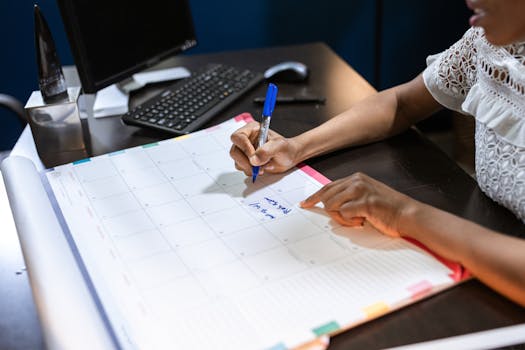
Planning doesn’t mean color-coded spreadsheets. Simple, daily rituals like priority lists and calendar blocks provide structure to stay productive work sessions, while letting you adapt to surprises.
Start with three top priorities, written on paper or a sticky note. Place in sight where it nudges you forward and resets your direction when distractions hit.
Making a Daily Highlight Work for You
Choose one task each morning as your “highlight”—the single item that, if done today, will move your goals forward. Write this in large letters where you’ll see it regularly.
For example, “Draft new client proposal before lunch” sets intent. If distractions spike, ask yourself: is this advancing my highlight, or should I postpone interruptions?
Finishing your highlight early drives a sense of progress and motivates you to tackle the next. Build this habit for steady improvement in any stay productive work pattern.
Calendar Blocking for Flexible Structure
Assign specific work themes to each window on your calendar—like research from 9 to 11, calls after 2. Leave time for inevitable interruptions, but anchor major chunks with color-coded blocks.
If emergencies shuffle blocks, reorder rather than delete—keep structure, even if plans change. Over a week, this builds rhythm that supports your long-haul productivity.
Break down large projects into sub-tasks within a single window. You avoid getting stuck and see daily progress, helping you stay productive work initiatives through completion.
Interaction and Communication Hacks to Minimize Disruptions
Smart communication makes or breaks a focused day. Set boundaries, clarify needs, and anchor collaborative work in specific time slots to optimize your stay productive work periods.
Craft firm but friendly status updates—like, “Heads down till 2 pm, will check in after”—and post them visibly. This tells teammates when you’re reachable without sounding rude.
Scripts for Proactive Interaction
Use phrases such as, “On a sprint right now, can reply at __ time,” and alert your team when you’re about to switch to meetings or break periods to avoid confusion.
Share your timeline for completing shared projects. If someone interrupts, gesture to your calendar and say, “I’m finishing something at 11—can I check in after?”
These simple interactions protect your time, helping you stick to a stay productive work routine. Over time, teammates respect and adapt to your rhythms, supporting overall productivity for the group.
- Use ‘do not disturb’ signals during deep work periods—minimizes disruptions and signals boundaries, allowing you to focus on crucial projects when concentration is highest.
- Batch standing meetings in one window—keeps the rest of the day clear for actual work, prevents scatter, and creates predictable check-in times with colleagues.
- Keep chat status updated—so people know whether you’re available or offline, reducing the chance of unexpected interruptions when you’re in flow with stay productive work tasks.
- Summarize at the end of meetings—saves time and repeated follow-ups, ensuring everyone leaves with clear next steps that support momentum throughout the workday.
- Use email auto-responses during heavy periods—lets teammates know why replies may lag and avoids the need for repeated messages or status checks about your availability.
Routine Reviews That Guarantee Ongoing Improvement
Continual self-review is the fastest way to strengthen stay productive work habits. Build feedback and mini-retrospectives into your weeks for sharp, evolving performance.
Devote ten minutes after big tasks to jot a note: What worked? What annoyed you? What might you swap or streamline tomorrow? Over time, your routines become precision tools.
Weekly Check-In Rituals
Each Friday afternoon, glance back at highlights and trouble spots. List which tweaks succeeded, and which didn’t—ask yourself why. Save each week’s notes in a simple doc or journal.
Adapt next week’s stay productive work sequence based on those notes. Keep successes; swap underperforming routines. Treat this exercise as maintenance for your personal productivity engine.
Share positive tweaks with a peer for quick accountability. If you’re struggling, ask for direct feedback: “What helped you keep momentum this week?” Copy one idea for yourself.
Spotting Patterns and Setbacks
Look for recurring low-energy periods or common bottlenecks as you review. Set alerts or cues earlier in the day to prevent repeats and refine your stay productive work patterns.
If you spot afternoon energy crashes, adjust your lunch or batch lighter tasks later. Simple, recurring tweaks add up, delivering more output per hour day after day.
List repeating distractions, then script a new plan: “No phone at lunch, block social apps 1–3 pm.” Revisit these after a week and celebrate small wins in your newfound structure.
Consistent Habits Lead to Sustainable Long-Day Productivity
Staying at your best during long days is about more than tactics—it’s about building rhythms and rituals. These grow your capacity for focus and balanced energy.
Adopt even a few techniques discussed here, and you’ll notice new confidence during marathon stretches. Revisit and reshape your habits over time for the best, personal recipe to stay productive work sessions.
Embrace honest self-feedback and regular tweaks. Each improvement, however small, compounds. Sustainable productivity isn’t distant—it’s shaped, day by day, by the choices you make now.