Stacks of papers on tables and jam-packed closets can sneak up on anyone. Smart home organization tips make daily routines smoother, reducing stress and saving valuable time each week.
An organized home means less searching for lost keys or misplaced documents. By tackling key areas, everyone can build positive habits for keeping spaces tidy, easy to use, and enjoyable to live in.
Read ahead for practical techniques and real scenarios. Throughout, you’ll find actionable home organization tips woven into routines, quick wins, and realistic strategies you can use immediately.
A Consistent Declutter Rule You Can Rely On
Clearing clutter each week ensures every room stays tidy and manageable. Consistent, predictable actions rooted in home organization tips take the effort out of knowing where to start.
People who set a simple, fixed schedule for review—like a Saturday morning reset—rarely face overflowing drawers or surfaces. This keeps decision fatigue low and results visible.
Twelve-Minute Sweep: Turn Tasks into Routine
Set a timer for 12 minutes and sweep one section at a time, such as the entryway or coffee table. Say, “Toss receipts, return books, wipe dust.” Finish before the timer ends.
Focus only on visible clutter first. Progress motivates you to continue, even if a section is small. This gradual approach builds consistency and rewards effort quickly, making home organization tips stick.
Try adding music or a podcast for energy. Use a basket to gather items that don’t belong and drop them where needed later. This step matters more than perfection.
Quarterly Deep Scan for Catch-Up Moments
Every three months, block an hour on your calendar labeled “Deep Scan.” Walk through each room asking, “Do we use this?” Pick a shelf or drawer to refresh.
Hold, review, and decide quickly. Set clear rules, such as donating clothes not worn this season. Home organization tips advise: if unsure, box items and label for review in three months.
Write a quick note reflecting progress after each session. This builds momentum for your next scan and gives a tangible reminder of what you’ve tackled.
| Area | Clutter Type | Declutter Frequency | Next Step |
|---|---|---|---|
| Entryway | Mail, shoes | Weekly | Sort mail, store shoes |
| Kitchen counters | Papers, gadgets | Twice a week | File documents, clear counters |
| Bathroom cabinet | Expired toiletries | Monthly | Dispose expired, tidy shelves |
| Bedroom closet | Unworn clothing | Quarterly | Donate or store |
| Living room | Remote controls, magazines | Weekly | Return to storage basket |
Creating Visible Storage Solutions for High-Use Spaces
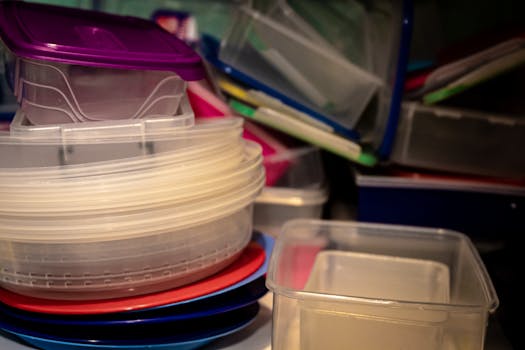
Choosing the right storage makes items accessible and less likely to pile up. Home organization tips built around easy-to-see bins and labeled containers foster quick cleanups and accountability.
Visible containers show instantly where things go, reducing arguments and reminders. Kids and adults can pitch in, since each label speaks for itself, helping maintain order long after a weekend tidy-up.
The “See-Through” Advantage for Fast Results
Clear bins allow you to spot contents immediately. The phrase “Where does this go?” comes up less when items are visible and sorted. Restocking becomes a snap, too.
Stack same-sized bins for supplies under a sink or on deep shelves. Each gets a single-purpose label: “Snacks,” “Toiletries,” or “Chargers.” It takes seconds to put things away or grab what you need.
- Choose clearly labeled containers for each family member to ensure everyone has a spot for essentials, so no one has to search or guess where belongings belong.
- Install open baskets in entryways for keys, wallets, and other small items; this reduces last-minute scrambles and keeps surfaces free of clutter, making routines smooth in high-traffic areas.
- Pegboards or hooks inside doors work for hats, bags, or tools. This uses hidden vertical space, helping free up floors and drawers for other things, giving a room a neater appearance instantly.
- Select storage ottomans or benches with hidden compartments in living areas; these provide extra seating, tuck away toys, and keep appearances tidy, blending into the existing decor effortlessly.
- Designate a specific color bin for each type of item—like blue for sports gear and green for gardening supplies—to help the entire household sort, store, and retrieve quickly every time.
Transparency in storage isn’t just pretty, it trims cleanup time. Over weeks, your family wastes less energy arguing or looking for important things during busy mornings.
Labels and Zones as Household Shortcuts
Divide shared rooms into zones like “Homework,” “Crafts,” or “Pet Supplies.” Apply color-coded labels or symbols if not everyone can read, especially for younger children or guests.
Label shelves and drawers plainly. Tape or reusable stickers work just as well as fancy tags. Home organization tips encourage staying flexible—update labels as categories shift over seasons.
- Post a reminder at each zone: “Return items after use to this basket.” This sets expectations, gently nudging household members into small but steady tidying habits each day.
- Create a checklist for replenishing zones (pens in the desk zone, snacks in the pantry bin) and stick it to the inside of pantry or cabinet doors for easy access during shopping trips.
- Mark deadlines or special rules, such as “Library Books—Return by Sunday,” near each bin. This stops missed due dates or forgotten gear, ensuring your organization system works all week long.
- Rotate zone reminders based on current activities; for example, “Pool Toys” in summer, “Scarves and Gloves” in winter, so your home adapts to new routines naturally and efficiently.
- Set up a “Finished? Put it away!” rule for each zone, reinforcing that zones are effective only if everyone resets them before moving to another activity or leaving home.
Labeling and zoning are the shortcut to avoiding repeated reminders. At a glance, every household member can find and return items, reinforcing a smoother shared routine.
Shaping Fresh Habits With Daily Micro-Actions
Repeated micro-actions, like putting shoes away each evening, cement new habits. Small, visible progress from home organization tips is more motivating than sporadic large-scale cleaning sessions.
Successful routines depend on “when/then” cues that link a small action—”When you enter, then place shoes in the basket.” Consistency turns these cues into stress-free habits that stick for months.
After-Dinner Five-Minute Reset
Set a kitchen timer for five minutes after family meals. Everyone clears their own plate, wipes the table, and restores kitchen counters. It anchors the habit at a reliable daily time.
Assign small tasks by age or ability. Children collect napkins, teens sweep the floor, or adults load the dishwasher. Make participation visible and praise team effort, reinforcing positive habits daily.
After the bell, gather briefly and announce, “Who helped most today?” Recognizing effort encourages a repeat tomorrow—one of the most effective home organization tips for lasting change.
Bedtime End-of-Day Tidy Cue
Households benefit from a daily “reset” before bed. Set an alarm 10 minutes before lights out. Everyone returns personal items to their rooms or assigned baskets, signaling the day’s end.
If you notice something still left out, place it on a chair in the hallway. The next morning, owners pick up their items before heading to breakfast. This sets a clear routine script: “Tidy, then relax.”
Over time, these short rituals become second nature, making each morning feel calmer and helping the entire family maintain order with almost no prompting.
Managing Paperwork and Mail So It Never Piles Up
Organized paper flow stops important bills or reminders from slipping through the cracks. Use home organization tips like dedicated mail slots and “act now” folders for daily processing to keep surfaces clear.
Quick, predictable mail-handling steps bring lasting results. Everyone in the home knows which bin, file, or tray to use, and no piece of paper lingers more than a day.
The Two-Minute Day-One Sort
When the mail arrives, sort immediately. Bills, invitations, and recurring statements go in a labeled folder: “To Act, This Week” or “Shred.” Junk goes straight to the recycling bin, no pause.
Keep your action folder handy, preferably near the entry or command center for follow-up. This ritual takes less than two minutes and ensures nothing slips through the cracks or gets buried.
Once a week, review your action folder before grocery shopping or bill paying. This habit, rooted in proven home organization tips, ensures paperwork never overwhelms your living space.
Monthly Digital Declutter Paired With Physical File Review
Set a calendar reminder for the first of each month. Pull all receipts, statements, and key documents. Scan and upload digital copies as needed, then file originals neatly.
Revisit your labeling scheme regularly. Keep only what’s truly necessary; shred, recycle, or archive the rest. Linking digital and physical cleanouts keeps both systems efficient, as recommended in popular home organization tips.
For shared files, add color-coded labels or sticky notes to highlight deadlines or follow-ups. This keeps everyone on the same page and avoids accidental paper pile-ups in busy households.
Streamlining Shared Spaces for Multi-Person Households
Family rooms, kitchens, or entryways thrive on regular resets and clear agreements. Applying targeted home organization tips in communal spaces helps everyone contribute to tidiness consistently.
It’s not always easy to get everyone on board, but visible routines and scheduled resets make lasting order feel communal rather than a single person’s responsibility.
Weekly Ten-Minute Family Cleanup Ritual
Designate a weekly spot cleanup for the entire household. Saturdays before lunch, members scan high-traffic rooms, tidy visible clutter, and return out-of-place items to their zones.
Use a checklist posted on the refrigerator or common area for accountability: “Magazines in bin, game pieces away, shoes on rack, blankets folded neatly.” Invite everyone to check off completed items.
Wrap up each session with a quick reward—a favorite snack, shared photo, or group high-five—to reinforce the positive routine and encourage excitement for next week’s cleanup.
Family Meeting on Stuff Rules
Hold a monthly 15-minute check-in: Each household member brings one item they feel is out of place or no longer needed. Open the floor for suggestions and discuss its fate together.
Set clear rules that everyone accepts: “Don’t store things in someone else’s zone,” “Shared items have a labeled home,” and “Remove donations by Sunday evening.”
This structure minimizes resentment and surprises, encourages respectful organization, and reinforces that home organization tips serve everyone when everyone contributes their perspective and effort.
Resetting Digital Devices and Schedules for Real-World Order
Device alerts and calendar integrations support tangible home organization tips. Linking devices to home routines helps everyone follow through, reducing last-minute scrambles or forgotten tasks in a modern setting.
Sync family calendars for cleaning days, donation pickups, and scheduled resets. Digital reminders prod action at the right time, turning good intentions into hands-on order throughout the home.
Calendar Hacks for Household Organization
Use team calendars to book regular declutter sessions the same way you’d set a doctor appointment. Color-code repeated events: blue for family resets, red for donation drop-offs, and so on.
Send group reminders the day before and the day of each task. If a household member says, “I forgot,” point to the synced alert and encourage resetting reminders if needed.
Pair calendar events with physical checklists. Tape one to the pantry door or entryway as backup, blending high-tech alerts with analog reminders for full-coverage support from home organization tips.
Managing Digital Workspace Clutter
Weekly, take a minute to clear phone or laptop home screens. Delete unused apps, group similar ones, and set a preferred background for a focused feel aligned with your household’s needs.
Sort digital photos or files monthly; create named folders matching family events or work topics. Move completed items to a backup drive for faster searches and peace of mind around digital mess.
Display visual folders on communal devices: “Family Calendar,” “Chores Chart,” or “Emergency Numbers.” This makes reference easy and reduces on-the-spot searching or stress for every family member.
Bringing Order to Busy Home Schedules With Flexible Routines
Realistic routines adapt with the family’s needs. Anchor each week with fixed milestones—like “reset Sunday evenings” and “monthly gear swap”—so home organization tips become integrated, not a chore.
Mark each change of season or school break as an opportunity for quick adaptations: swap winter gear for summer, or shift storage bins as activities change throughout the year.
Mini-Scenario: Prepping for Monday Mornings
Sunday nights, set out lunchboxes, backpacks, and jackets for morning routines. Place a sticky note with “Don’t Forget Gym Shoes for Monday!” next to the door for a visible reminder.
During this prep, ask everyone, “Is anything missing for tomorrow?” Address needs immediately. Organization works best when it prevents hiccups, rather than simply reacting to morning surprises.
Finish with a group walkthrough of high-traffic spots: shoes on rack, backpacks by the door, lunches in the fridge. These cues help everyone head out stress-free and prepared.
Flexible Adaptation Checklist
Keep routines realistic and suited to lifestyle. Home organization tips work best with minor tweaks instead of rigid schedules that won’t last through real-life changes or challenges.
Post a seasonal checklist on the fridge: swap coats, check batteries (smoke alarms), rotate pantry staples, and declutter entry drawers. Invite suggestions so the system stays collaborative and flexible.
Give each family member “ownership” over one routine—like rotating fresh towels or updating school activity bags—building accountability through small achievements and regular visible contributions.
Building Sustainable Order, Step by Step
Tidying routines anchored in reliable home organization tips deliver big wins, even in busy homes. Visual storage, label zones, and small resets combine to build momentum throughout the week.
Daily and weekly micro-actions yield more sustainable results than one-off marathon cleanups. Habit stacking and visible cues turn tidiness into an automatic part of family life.
Experiment, adapt, and involve everyone in your household’s system. Each tailored step brings a calmer, more enjoyable space—a home where order naturally supports your routines and your well-being.