Catching up on chores can feel like an endless loop after a busy day. Many want relief, but quick cleaning habits seem elusive and hard to maintain long-term.
Establishing reliable routines means less mess and more time for yourself. Small habits, strategically layered throughout the day, quietly transform how your home feels and how long tidying takes.
This article unpacks realistic, actionable quick cleaning habits. Read on to discover simple routines, practical checklists, and new ways to reclaim minutes in every corner of your life.
Building a 10-Minute Reset For Every Room
You’ll confidently regain control by creating a short evening sweep in each space. This establishes order and lets you enjoy an instantly neater home without stress.
Pick one visible target in each room: a couch, a counter, or a table. Do a 10-minute reset before bedtime for a dramatic difference.
Mini Checklist Before Bedtime
Write a brief checklist: fluff pillows, toss out paper scraps, wipe nearby surfaces. This simple script cues your brain and speeds up quick cleaning habits all week.
Visual reminders help—pin your checklist inside a drawer or tape it to a kitchen cabinet. Return here each night, letting routine automate the process.
These checklists create momentum. When the evening’s over, you’ll find the next morning smoother and more pleasant because yesterday’s mess isn’t waiting.
Sequencing Tasks For Flow
Start with the biggest item. Example: “Clear coffee table.” Then move to smaller items—fold a blanket, recycle a magazine. This natural order feels efficient.
Sequence boosts quick cleaning habits. Always finish with a single final task like shutting the lights, signaling the routine is complete. This small habit bookends your efforts.
Repeating the steps in order trains your memory. You won’t need the checklist forever, but until then, sequence makes consistency easy.
| Room | Main Target | 5-Minute Action | Benefit |
|---|---|---|---|
| Living Room | Couch/Table | Fluff pillows, straighten magazines, fold blankets | Instant visual calm, cozier evenings |
| Kitchen | Countertops | Clear clutter, wipe spills, load dishwasher | Reduces ants, starts tomorrow smoothly |
| Bedroom | Nightstand/Bed | Stack books, put away phone charger, smooth duvet | Better rest and less clutter for mornings |
| Bathroom | Sink/Counter | Rinse sink, hang towels, toss trash | Hygienic surface, easier morning prep |
| Entryway | Shoes/Bags | Line up shoes, hang coats, sort mail | Easier exits, reduces trip hazards |
Using Micro-Cleaning Bursts Throughout Your Day
You’ll pocket extra free time by scattering short cleaning bursts rather than saving tasks for a once-a-week marathon. Each micro-burst builds sustainable quick cleaning habits.
Choose three to five transition moments—for example, after breakfast or when a meeting ends—to squeeze in small, consistent actions that add up by day’s end.
Your Transition-Time Micro-Bursts
Attach a cleaning step to an existing habit. As you pour coffee, wipe the counter. After a shower, quickly squeegee glass. Each tie-in anchors quick cleaning habits naturally.
Brushing teeth before bed? Use that time to glance at the bathroom mirror. Spot anything on the glass—wipe it with a towel, and your mirror stays streak-free automatically.
- Wipe down the bathroom sink every morning after brushing to avoid buildup, so deep cleaning isn’t needed later, and toothpaste splashes won’t harden.
- Do a 60-second desk clear before lunch by stacking stray papers; this prevents piles and gives your mind a visible signal of a fresh work segment.
- Squeegee the shower walls right after rinsing off; this prevents mildew and keeps tiles sparkling without scrubbing, all with a 30-second investment.
- Unload part of the dishwasher while waiting for your coffee to brew and cut down on post-meal pileups, which makes kitchen resets feel effortless.
- Use a lint roller on upholstery while watching TV, turning passive downtime into useful micro-bursts for fresher-looking furniture every day.
Each micro-action gets your space closer to tidy, all while blending into your daily routine. This approach makes quick cleaning habits stick with minimal extra effort.
Efficiency in Device Downtime
If waiting on updates or long downloads, claim those idle minutes. Wipe your keyboard, dust your monitor, or empty your desk’s trash. You stay productive even while waiting.
Tech downtime is especially useful for tackling single, repeatable tasks. This limits digital distraction while moving you toward a cleaner, less cluttered workstation in the process.
- Shake out your keyboard above a trash can; frequent mini-cleans reduce buildup, and you’ll type more comfortably with less grit under your fingertips.
- Set a 3-minute timer and dust your monitor, phone, and mousepad; this prevents finger grime from getting out of hand and preserves screen clarity.
- Sort paper receipts near your workspace while your software loads, so you’re less likely to miss a reimbursement and avoid unsightly paper piles.
- Sanitize your mouse; a quick wipe minimizes germ transfer and keeps surfaces feeling clean, especially in shared workspaces or home offices.
- Take out recycling and trash for your office before joining a call; this reduces odor and clutter while using time that’s otherwise wasted.
Pairing tasks like these with tech time anchors them as routine, so they become ingrained quick cleaning habits that require little thought or energy to maintain.
Delegating Cleaning With A Family or Roommate System
Collaborating builds buy-in and saves energy. Assigning regular tasks formalizes quick cleaning habits and sidesteps the trap of “I always do it myself.” Make a visible chart or agreement.
Routine roles help everyone see what needs doing. Swap jobs weekly for variety, or set clear expectations: one person always does dishes, one always tidies the entryway.
Practical Task Calendars
Hang a weekly chart in the kitchen. Use simple columns: date, person, and room. Crossing off completed chores makes progress visible and prevents overlap or missed jobs.
Include reminders: “Tidy counters by 8 PM,” “Shoe rack sweep on Thursdays.” This blends accountability with ease, letting each participant fit cleaning into their own daily rhythm.
Consider check-ins every Sunday night to celebrate what’s working and adjust for new routines, keeping the team motivated and the living space looking fresh.
Real Scenario: Making Habits Stick for Kids
Say, “Let’s tidy for five songs together!” Turn clean-up into a game. Give each child a tiny basket for their toys and challenge them to run and put things away quickly.
Repetition encourages quick cleaning habits that last. For teens, tie chores to device privileges: “Ten minutes of cleaning earns your half-hour of music or phone time.”
Lead by example—pick up your clutter in view, narrate your actions, and invite imitation. Visibility and routine together prompt copycat behaviors, cementing habits naturally.
Making Use of Cleaning Caddies for Fast Action
Placing lightweight cleaning caddies in strategic locations ensures you have the right tools ready, lowering the resistance to tidying up messes as soon as you spot them.
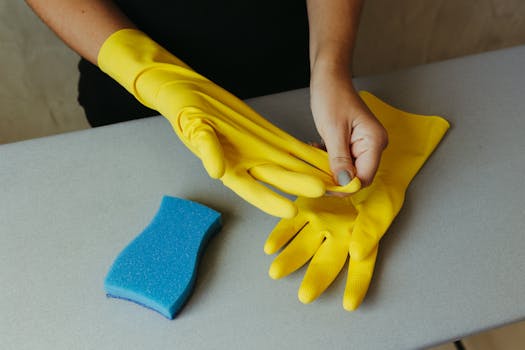
Outfit each caddy with all-purpose spray, cloths, a sponge, and a small trash bag. The less searching you do, the more consistently you’ll execute quick cleaning habits on autopilot.
Restocking Caddy Routine
Check every Sunday night: top off your sprays, swap out dirty cloths, replace finished supplies. This easy schedule keeps every caddy inviting and functional for each new week.
Store caddies out of sight—under each sink, in a closet, or on a high shelf—easy to reach but hidden from everyday view, keeping your home uncluttered and ready for action.
If you use an analogy, think of a firefighter’s kit: gear prepped in advance saves crucial time during emergencies. Your caddy preps you for everyday “fires”—spills, crumbs, quick wipes.
Portable Tools for Mobile Tidying
Try a handled basket for two rooms—a bathroom caddy and a kitchen one. This makes it easy to walk through your home and tackle quick cleaning habits wherever needed.
Store disposable gloves, sanitizer spray, and a lint roller in each kit. If a spill or smudge pops up, you’re ready within seconds—no excuses or wasted time retracing steps.
Use brightly colored buckets or labeled bins for different rooms. This visual cue draws attention and gently prompts action. Guests and family see it as a mini-invitation to help.
Daily Decluttering Rituals That Prevent Messes from Building Up
Injecting two-minute tidies after every meal, event, or transition means less chaos tomorrow. Decluttering rituals are key pillars of strong quick cleaning habits and curb clutter creep before it grows.
Pick up stray items and return them immediately. The phrase “don’t put it down, put it away” guides consistent action and creates almost automatic tidiness at home.
Reset After Meals
As soon as you finish eating, gather all dirty dishes, rinse, and place in the dishwasher or wash by hand. This preempts dried-on messes and cuts kitchen cleaning time later.
Assign utensils and cups to family members. “Each person clears their own” fosters responsibility and softens the burden for everyone. Use a visible dish-drying rack as a progress cue.
Snap a photo of your clear table—review these as motivation if you need a reminder about why these quick cleaning habits matter in your home.
Transition Moments: Entryway, Workspaces, Bedrooms
Drop keys, bags, and shoes exactly in their dedicated spots when coming home. Maintain shoe racks, hooks, or bins at the door as visual stop-points for organizing in under a minute.
Reset your workspace before you leave for lunch or bed: close your laptop, line up supplies, and toss pens that don’t work. This tells your brain, “Work is done. The area is ready for tomorrow.”
Make your bed every morning and put laundry in the basket. Building this habit supports quick cleaning habits and sets a productive, clutter-free tone for the day ahead.
Increasing Motivation With Rewards and Visible Progress
Attach a small reward to every streak of completed cleaning bursts. Mark off checklists or claim a piece of chocolate post-cleanup. Visual wins fuel quick cleaning habits for all ages.
Use a wall calendar or habit app to mark every day you complete your goal. One week at a time builds satisfaction. Miss a day? Treat the next burst as a fresh start, not a setback.
Building a Motivational Ritual
Light a favorite candle or play a special song as a cleaning trigger. These pleasant cues help your brain anticipate positive results and make tidying less of a chore, more of a ritual.
Invite a family member to join for five minutes, then reward both with a mini celebration—think high five, silly victory dance, or sharing a funny cleaning story after finishing.
Visible progress attracts more participation. Track before-and-after snapshots of clean hotspots—upload to a private album to maintain encouragement and recall how far your quick cleaning habits have brought you.
Conclusion: Choosing Sustainability With Small Daily Actions
Effective routines don’t start big—they grow from tiny steps. Repeating strategic quick cleaning habits delivers enduring cleanliness that fits real life.
Your confidence increases when messes shrink and routines run on autopilot. Small tweaks like timed resets and transition tidies simplify mess management without draining willpower.
Consistency, a little creativity, and the right mindset make quick cleaning habits a natural part of each day. Every action, no matter how small, builds a more relaxing, harmonious home.