Every day brings choices that quietly speed us up or slow us down. Some simple steps woven into routines can help you save time daily in ways that feel almost invisible.
Everybody wants a few extra minutes, whether it’s for work, family, or simply a moment to breathe. This matters because effort compounds, and even tiny habits build into real time savings.
Explore these small daily actions to discover where minutes hide in your schedule. Try these practical adjustments for less stress, more clarity, and reliable ways to save time daily.
Streamlining Your Morning Grants Time Back Instantly
Setting up streamlined habits from the moment you wake up can save time daily without leaving you frazzled or scattered. Simple changes here have a ripple effect throughout the day.
Let’s look at two ways to cut friction from your first hour and build momentum with practices you can set up the night before or execute right away.
Choosing Clothes and Prepping Items the Night Before
When standing in front of a closet, hesitation can steal five minutes. Lay out your clothing the evening before. Say, “Tomorrow, I’ll need this blue shirt, those black pants.”
This step saves time daily, especially if you prepare other essentials like a wallet, phone, and keys in a designated spot near the door. That way, you grab and go without hunting.
Watching a friend calmly leave home because their bag is ready can nudge you to make this the new rule. After dinner, set everything out—done in under three minutes.
Creating a Five-Minute Wake-Up Routine
Start with a habit stack: Stretch, splash water on your face, sip a glass of water, check your schedule. This speeds up alertness and narrows your focus on what matters.
Reciting, “Stretch, water, schedule,” each morning sets mental anchors. Anchor steps keep you from wandering into phone-scrolling or procrastination. Stick to the same order daily for the biggest impact.
Tie this to your “getting dressed” analogies: just as socks go on after pants, your five-minute wake-up gears up the brain efficiently so you can automatically save time daily.
| Action | Preparation Time | Average Time Saved | Next Step |
|---|---|---|---|
| Lay out clothes | 2 minutes | 5 minutes | Prepare bag |
| Prepare breakfast items | 3 minutes | 6 minutes | Combine with lunch prep |
| Set kettle and mug | 1 minute | 2–3 minutes | Stack with vitamins |
| Write to-do list | 4 minutes | 8 minutes | Review at breakfast |
| Bundle work items | 3 minutes | 7 minutes | Double-check before bed |
Simplifying Tasks Keeps You Moving Forward Quickly
Breaking down jobs into smaller steps or batching them together helps you save time daily without sacrificing accuracy or attention to detail. This works at work and at home.
Each approach below can be started with five minutes or less, proving that even tiny task tweaks can unlock smoother days.
Batching Repetitive Actions for Maximum Efficiency
Instead of checking emails one at a time, dedicate blocks for communications. Try 10-minute windows at 9 a.m. and 4 p.m., rather than popping in all morning.
This batching principle applies to errands, laundry, or even replying to messages. Grouping like with like cuts context-switching—a proven way to save time daily.
- Combine emails: Open your inbox at set times. Ignore new notifications until the next window. This prevents distractions and speeds up response time.
- Schedule errands: Collect tasks for a single trip rather than scattered ones. Make a master list first, then handle it all at once.
- Group cleaning: Clean one area thoroughly instead of dabbling in several. Wipe kitchen counters fully, then stop, instead of bouncing between rooms.
- Prep ingredients: Cut vegetables for lunches and dinners together. Place everything in containers—no extra chopping later, and meals appear faster.
- Sort paperwork: Pick a weekly timeslot. Stand by the recycle bin as you open mail. Process, file, and toss right away to avoid pile-ups.
Batched actions can quickly transform a scattered approach into a smooth process. Try two today, notice which helps you save time daily and feels simplest to repeat.
Following Tiny Two-Step Checklists for Routine Activities
Checklists make repetitive tasks worry-free. Tape a ‘lock-door, turn off stove’ checklist by the exit. Glance, check, and save time daily that you’d spend double-checking.
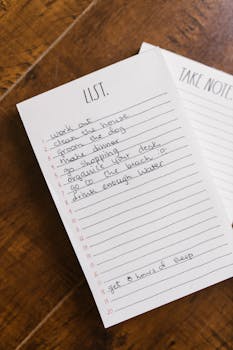
Stick lists where you need them—bathroom mirror, work desk, fridge. That visual nudge means fewer forgotten steps and quicker progress toward finishing chores every single day.
- Morning routine: Post a ‘Did I pack my lunch?’ note on the door. Run through the list as you leave, saving forgotten item runs and hassle.
- Cleaning checklist: Post simple tasks in specific rooms—‘Wipe, sweep, empty trash.’ Use dry-erase markers so you can update them easily.
- Grocery process: Keep a running list on the fridge. Add items as soon as you run out. Check before leaving and bring it on every store trip.
- End-of-day work: List three things to close out—log off computer, clear desk, write tomorrow’s top goal. You’ll jump in focused each morning.
- Night routine: Place a ‘brush, floss, glass of water’ sign in the bathroom. Each step locks in a health habit and signals wind-down time.
Checklists automate mental effort. By following these, you increase your chances to save time daily and keep stress at bay.
Making Decisions Faster with Pre-Set Boundaries
Knowing your non-negotiables eliminates hesitation. When it’s time to decide, stick with your criteria to save time daily and avoid waffling.
Some boundaries are best made explicit. Try writing personal rules for frequent decision points—such as emails, meetings, or meal choices—to speed up every response.
Enforcing Email and Message Boundaries
Limit responses to urgent or scheduled times, then close your inbox. Say “I reply at 9 and 4” out loud for reinforcement, signaling boundaries to coworkers, too.
Use templates for common replies. Keep messages short and polite: “Thank you for reaching out. Here are my thoughts…” This habit can also save time daily when volumes spike.
Tell yourself, “Urgent matters get fast replies, everything else waits.” Stick to this for a week. Watch how it reduces clutter and halves decision fatigue.
Applying a Three-Option Rule to Small Choices
Limit everyday picks—like what to eat or where to shop—to just three options. “Salad, sandwich, or wrap?” avoids mental spirals and helps you save time daily when hungry.
An example: Write a quick-choice note on your fridge or lunch bag to cement your three options. If stuck, go with the first answer that matches your rules.
If you pick the same lunch two days in a row, that’s an extra micro-win. Doing so frees up headspace for bigger decisions that matter more long-term.
Routine Audits: Checking Your Process for Hidden Time Leaks
Periodically review where your time actually goes. This reveals invisible slow-downs and helps you save time daily by tightening up weak spots in routines.
Every two weeks, spend ten minutes spotting small delays—a pile of unsorted mail or a phone charging cable that always trips you up. Fixing these pays off daily.
Spotting and Fixing Bottlenecks in Real Time
Notice where you always pause—perhaps it’s hunting for a certain spatula or untangling headphones. Tackle these pain points immediately with a new spot or a storage hook.
Write down a list of bottlenecks: “Tangled cords, misplaced bills, missing pens.” Address each with a solution—label drawers, buy a bin, or add hooks. Each fix helps save time daily.
Repeat every week: messes creep back in, but fresh eyes keep clutter from settling and routines from getting sluggish. Over time, these audits boost overall speed and calm.
Tracking Improvements with a Simple Progress Sheet
Create a chart or a plain notebook to record where you shaved off minutes. “Sorted desk area—saved three minutes.” This feedback builds momentum for future upgrades.
If you track ten minutes saved over a week, celebrate. Post your wins somewhere you see them every morning. This fosters motivation to save time daily and reinforces better habits.
Revisit your sheet every Sunday: scan for successful changes and list one area that still needs help. Keep it realistic—tackle a small task, then move to the next.
| Routine Area | Pain Point | Solution Tried | Time Saved |
|---|---|---|---|
| Kitchen | Messy drawers | Dividers added | 4 minutes |
| Work Desk | Loose papers | Standing file rack | 7 minutes |
| Entryway | Lost keys | Wall hook by door | 3 minutes |
| Closet | Mixed-up socks | Labelled bins | 2 minutes |
| Bathroom | Missing toiletries | Caddy near sink | 5 minutes |
Tuning Weekly Routines for Ongoing Gains
Small, scheduled changes each week reinforce the habits that help you save time daily. Set regular check-ins to keep what works and replace what lags.
Plan your review for Sunday evenings or another low-pressure slot. This prevents your system from slipping and ensures consistency during busier weeks.
Calendar Blocks: Locking in Maintenance Slots
Book 20 minutes weekly for tasks like sorting laundry, clearing out your bag, or restocking staples. Assign a recurring calendar block, and follow through like any appointment.
Pretend it’s a lunch with a friend—show up every time, no excuses. This trick reclaims more order and ensures you save time daily that week.
Stack routine checkups with something you enjoy—play music, listen to a favorite podcast—as a reward. This links chores to fun for better follow-through.
Mini-Reset Rituals Midweek
Designate a midweek “reset”—ten minutes Wednesday to tidy the workspace, clear expired food from the fridge, or move stray shoes. This quick pause supports neatness for the week’s end.
Set a phone reminder: “Five-minute reset,” then act immediately. You’ll find yourself able to save time daily by avoiding slowdowns that build up until Friday.
Draft a checklist for your midweek ritual. Glance, act, and keep your space from drifting into chaos. The more consistent you are, the less time these resets require.
- Sunday plan: Review last week’s wins, flag one area to improve, and list small changes for Monday. Keep everything visible on your phone or fridge for accountability.
- Evening prep: Each weeknight, prep bags and set out outfits for the next day. Add reminders for brakes and meals if needed to avoid missed steps in the morning.
- Errand clusters: Group grocery, pharmacy, and post office runs for Thursday to keep weekends open. Note what to buy, map a logical route, and stick to one trip.
- Inbox zero: Clear messages Friday before finishing work. Reply, file, or delete. Start Monday feeling organized, not buried.
- Family check-in: Schedule a quick Sunday talk. Clarify appointments, chores, and big plans. This keeps everyone on track and saves group time daily all week long.
Consistent Review Makes Every Minute Count
Small, practical actions repeated daily become the levers that let you do more, feel calmer, and steadily save time daily—no fancy system required.
Adjust routines that aren’t working. Take stock each week, stay curious about ways to improve, and mark little victories that add to your overall well-being.
By sticking to these targeted adjustments and making routine progress checks, you’re able to shave off more wasted minutes and transform your daily rhythm for the better.