Balancing daily tasks can sometimes feel like spinning too many plates at once. Even with good intentions, routines break easily unless you’ve got a plan—especially if you want a real daily routine guide.
Personal habits shape productivity, mood, and well-being. A structured schedule means less stress, more success, and days that flow smoother. Most people benefit from a practical daily routine guide tailored to their real-life situation.
This article delivers exactly that: step-by-step tools and real-world strategies to build a routine you’ll want to repeat. Explore concrete examples, tips, and an expert daily routine guide throughout every section.
Build a Predictable Foundation for Morning Success
Establishing a morning ritual sets the whole day on track. Readers who stick to these basics find transitions smoother and energy steadier, according to any daily routine guide.
Choose a realistic wake-up time and stick with it—even on weekends. This single step builds discipline and trust in your daily routine guide process.
Set a Consistent Wake-Up Pattern
Go to bed and wake up at similar times each day. Avoid snoozing and get up with purpose, so your day follows a predictable daily routine guide.
If you struggle to rise, place your alarm across the room. Getting physically out of bed cues your mind to start, a trick supported by most daily routine guide strategies.
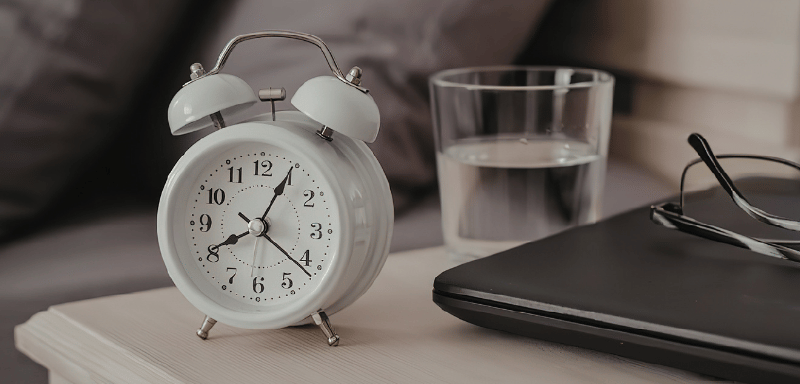
Consider prepping a glass of water by your nightstand. Hydrating immediately after waking helps signal your system that it’s time to begin, reinforcing the daily routine guide from your first step.
Create a Quick Morning Activation Sequence
Start with low-friction, high-reward actions such as light stretching or opening a window. A daily routine guide emphasizes actions that signal “now is a new start.”
Replace phone-scrolling with a five-minute breathing exercise. This helps settle your mood and primes mental focus, proven effective in almost any daily routine guide.
Lay out your clothes or prep breakfast items the night before. Small cues reduce morning chaos and help you walk through your daily routine guide with less friction.
| Morning Task | Benefit | Time Needed | Quick Takeaway |
|---|---|---|---|
| Wake Up at Set Time | Reliable energy, better sleep | 0 minutes extra | Consistency matters most. Stick with it, even on weekends. |
| Drink Water First | Hydration, alertness | 1 minute | Prepare water by your bed for instant hydration. |
| Stretch for 3 Minutes | Body readiness, less stiffness | 3 minutes | Choose simple stretches that are easy to remember. |
| Prepare Clothes at Night | No outfit stress | 2 minutes night before | Hang clothes where you’ll see them first thing. |
| Open Curtains Immediately | Natural light boost | 30 seconds | Let sunlight help reset your body clock daily. |
Organize and Prioritize the Main Tasks Before Noon
Setting a realistic action list each morning turns intentions into tangible results. Use prioritization tools every daily routine guide supports—such as Eisenhower boxes, lists, or time blocks.
Begin by identifying your top three non-negotiable tasks. Visual clarity is key. The daily routine guide approach keeps distractions at bay and gives your efforts structure.
Chunk Tasks Together by Context
Choose when similar activities, like answering emails or planning calls, happen together. Batching by type or tool minimizes mental shifting, a strong principle in any daily routine guide.
If you’re home, batch kitchen and cleaning in one block. At work, handle desk-based work together, then move to errands. This daily routine guide trick reduces need to ‘think what’s next’.
- Write a five-item priority list every night before bed. This action sets a clear morning objective and gives you a head start according to any daily routine guide.
- Group similar tasks—calls, emails, errands—into dedicated time slots. Minimizing task switching helps avoid mental fatigue and supports the daily routine guide’s focus.
- Set boundaries for non-urgent interruptions. For example, note “Respond to non-vital messages after 1 PM.” This keeps your daily routine guide uninterrupted for peak tasks.
- Use checklists for recurring steps. Checklists act as quick reminders and reduce the chance of skipping daily routine guide essentials.
- Reevaluate priorities by lunchtime. If needs shift, update your list based on what can wait and what finishes the daily routine guide strong.
Defined priorities and short check-ins help keep momentum steady throughout the day. Don’t allow decisions to linger negatively—act or defer with intention, just as the daily routine guide recommends.
Use Short, Focused Work Blocks
Divide big assignments into small, time-boxed sprints. For example, set a timer for 30 minutes on a single project—this helps the daily routine guide break large jobs into easier steps.
Take five-minute movement breaks between each block. These brief resets keep energy high and match the advice in nearly any reputable daily routine guide.
- Identify a single “must-complete” task before lunch. Narrowing focus early prevents anxiety and creates momentum perfectly aligned with your daily routine guide.
- Mute phone alerts for deep work blocks. Control notifications proactively so your daily routine guide sessions stay productive.
- Track energy levels. If one block drags, schedule harder work for your personal high-energy time per your daily routine guide observations.
- Switch locations for new blocks—move to a new chair or stand up. Changing environment supports better results, as shown by daily routine guide methods.
- Tick off completed blocks on paper or an app. Visible progress is motivating and directly supports your daily routine guide satisfaction.
Once complete, quickly reflect—what worked best gets repeated; anything draining the schedule gets adjusted next round, true to a daily routine guide mindset.
Design Consistent Cues for Smooth Midday Transitions
Midday signals help shift gears without confusion. Adding environmental or behavioral cues bridges focus from one chunk to the next, a subtle but essential daily routine guide element.
Simple prompts—a recurring alarm, a snack, or a set stretch—can turn midday into a checkpoint, not a lull. Each cue in a solid daily routine guide means less lost time.
Link Lunch and Movement for Energy Rises
Pair healthy lunch breaks with light activity. Walk for five minutes before or after eating. This approach keeps your body alert and fits every daily routine guide well.
Practice ‘reset rituals’: after lunch, wash your hands and stretch arms for 30 seconds. Small actions like this transition you smoothly, as proven in leading daily routine guide programs.
Ask yourself, “What’s my main afternoon goal?” out loud before returning to work. Declaring intention anchors focus, following the daily routine guide’s ‘define and act’ advice.
Use Visual or Environmental Prompts
Place an object—like a sticky note or timer—near your workspace. Visual cues gently signal the next shift per the daily routine guide model.
For example, move your water bottle into view after lunch. This small step reminds your brain, “It’s afternoon focus time, switch gears now,” as a daily routine guide would advise.
Develop a subtle recurring soundtrack. Play an instrumental track when you want to re-engage. Keep it consistent and short—just ten minutes fits most daily routine guide scenarios easily.
Encourage Evening Routine Patterns Without Overwhelm
Readers who finish with a relaxing evening routine report better sleep and less next-day stress. The nightly wind-down is a must in any complete daily routine guide.
Start by setting a regular lights-out time, then add two reliable wind-down tasks, such as lower lighting or slow breathing, endorsing a key step in your daily routine guide.
Start Early—Preview Your Evening Plan
Think about your night routine by late afternoon, not just right before bed. Reserve 20 minutes screen-free before winding down—this daily routine guide idea supports deeper rest.
Replace “one more episode” urges with a fixed, repeatable ritual: try reading four pages or jotting tomorrow’s top tasks. Repetition signals your brain, as shown in any good daily routine guide system.
Avoid caffeine or heavy meals two hours before bed. This supports natural readiness to sleep, aligning energy lows with a daily routine guide recovery window.
Log and Tweak to Improve Evenings
Keep a small notepad next to your bed. Every night, jot one win of the day. Reflection boosts gratitude and anchors the daily routine guide journey.
Note one change you’d like tomorrow—short and direct, for example, “Lights off ten minutes earlier.” Evaluate the tweak the next day for a better daily routine guide fit over time.
Share routines with others. For example, text a friend, “Finished wind-down early tonight!” Accountability adds momentum, echoing daily routine guide community benefits.
Stack Simple Habits for Maximum Effect
Habit-stacking—linking a new behavior to an existing one—makes routines automatic. This methodology is at the core of every hands-on daily routine guide.
Combine simple actions: drink water after brushing teeth, stretch after putting away breakfast dishes, or plan tomorrow’s tasks right after dinner. A daily routine guide uses these seamless transitions to reinforce progress.
Repetition Anchors Habits in Memory
Try attaching a new practice to a habit you never skip, like locking the front door. For example, say, “Checklist time!” right after. This classic daily routine guide example links cues and results.
Reward yourself for consistency by acknowledging completions—try a smile, celebratory gesture, or verbal “done!” This recognition helps wire the habit, another top daily routine guide recommendation.
If you miss a day, restart without guilt—just begin with the next opportunity and move ahead, anchoring the ongoing daily routine guide approach.
Track Progress Visually to Stay Motivated
Use paper calendars, sticker charts, or digital trackers. Seeing your trendline keeps you honest, a trick every daily routine guide suggests for visual learners.
Log streaks and note small wins visually—mark each day completed. This allows the daily routine guide to feel present and not just abstract advice.
Review your logs each Sunday. Celebrate steady progress, identify spots where routines slipped, and use these insights to adjust your daily routine guide for the week ahead.
Adjust Your Daily Routine Guide as Life Changes
Every routine needs the flexibility to survive real life. By revisiting your schedule, you keep the daily routine guide fresh, effective, and resilient despite unexpected changes.
If you notice tasks crowding together or stress building, don’t force the old schedule. Invite adjustments to refine your daily routine guide, so it grows with you.
Plan Scheduled Reviews for Maximum Adaptability
Set a recurring reminder once a month: “Review my daily routine guide.” For example, on the first Sunday, sit with coffee and list steps that worked, plus spots that didn’t.
This reflection creates space for new ideas—perhaps aiming for earlier walks, shorter to-do lists, or even different daily routine guide priorities by season.
Document changes directly on the guide. Redraft your core routine weekly, keeping only steps that carry actual value and retiring what no longer fits your daily routine guide goals.
Keep Momentum Alive with Support and Accountability
Staying on track is easier with a little encouragement. Find a buddy to share goals—text each other when you complete milestones, as a daily routine guide suggests.
Joining an online group or community helps, too. Watch for ideas that spark new motivation or practical tweaks, feeding progress into your own daily routine guide story.
- Check in daily with an accountability partner—share one win and one plan. This reinforces public commitment and grounds your daily routine guide progress in social proof.
- Use tracking apps or a shared calendar with friends to mark completed habits. Visible progress builds trust in your routine and supports daily routine guide motivation.
- Post reminders on your bathroom mirror or fridge for upcoming changes or milestones. Daily sight cues nudge you back to your daily routine guide path each time you see them.
- Reward consistency with a small treat like time for a favorite hobby. Mini-rewards make sticking to your daily routine guide feel enjoyable, not forced.
- Share your experience—and lessons learned—with someone starting new routines. Teaching boosts your own daily routine guide accountability while helping someone else at the same time.
Find Motivation and Flexibility for Every New Day
Routines are living systems, not rigid rules. Throughout this daily routine guide, you’ve built tools to craft, tweak, and grow routines that keep you anchored and thriving.
Use each section’s strategies—morning foundations, priority planning, reliable cues, evening wind-down, and habit stacking—to reinforce progress. Every update you make keeps your daily routine guide relevant and actionable.
Adapt with intention, celebrate efforts, and keep sharing with others. The best daily routine guide is the one designed for your real life—and revisited often for lasting impact.