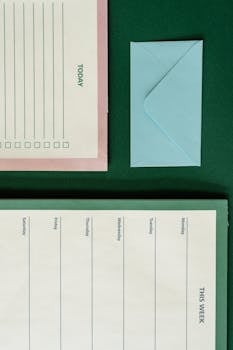
Everyone knows that staying on track all week can feel like a big ask. Even so, routines built around the goal to stay organized daily make a meaningful difference.
Disorganization quickly derails schedules, increases stress, and impacts focus at work or home. Knowing how to stay organized daily directly improves well-being, productivity, and time for what truly matters.
This article offers practical, realistic tips. You’ll find strategies, checklists, and simple scripts that will help you stay organized daily with less effort–or anxiety.
Start Each Week with a 15-Minute Prep Session
Spend fifteen minutes every Sunday evening reviewing your events, meals, and top priorities. This single habit helps you stay organized daily before the week even starts.
Open your calendar, assess what’s ahead, and jot down action items for each day. Prepping this way puts you in charge of your time.
Batch Similar Tasks for Efficiency
Grouping errands or phone calls saves you time and reduces distractions later. Block time for similar activities instead of fragmenting your focus throughout the week.
If you notice tasks that take less than five minutes, set aside a batch window and handle them all together. This creates more open space in your days, contributing to your ability to stay organized daily.
Seeing cluttered lists shrink quickly can be motivating. Once you’ve batched and finished them, cross items off and enjoy the order you’ve created.
Create a One-Page Weekly View
Use a physical planner or an app to design a single-page weekly dashboard. Color-code events for quick scanning and keep it visible on your desk or phone.
Add appointments, mandatory deadlines, and daily reminders to stay organized daily. Check this page every morning and update it as new tasks arise during the week.
If you prefer paper, try folding a sheet into columns labeled with the days. This easy visual helps you orient yourself each day without toggling between screens.
| Tool | Purpose | Ease of Use | Takeaway |
|---|---|---|---|
| Physical Planner | Visual schedule | Very Easy | Write everything in one place |
| Calendar App | Mobile reminders | Easy | Sync with devices |
| Sticky Notes | Quick tasks | Very Easy | Visible cues for action |
| Whiteboard | At-a-glance list | Moderate | Central spot for updates |
| Spreadsheet | Detailed tracking | Moderate | Record progress and priorities |
Block Time for Decluttering and Reset Routines
By blocking out specific 10- to 20-minute windows for clearing spaces, you set yourself up to stay organized daily without making it an overwhelming chore.
Start and end each day by resetting workspaces, kitchens, or bedrooms. These actions form bookends that reinforce order and reduce unnecessary stress during busy moments.
Build a Reset Routine in Any Space
For a kitchen, each night after dinner, clear counters, wipe surfaces, and load the dishwasher before sitting to relax. This script takes less than ten minutes.
In an office, spend the last ten minutes of the day filing papers, clearing emails, and making a note for tomorrow’s most urgent task. You immediately feel and look more in control.
- Clear all surfaces in the morning: Start each day fresh with less visual clutter, which keeps your mind focused and helps you stay organized daily.
- Return items after use: This habit saves time searching for things and shortens cleanup, making your reset routine smoother.
- File paperwork at the end of every day: Avoid pileups that turn into stressful weekend projects and maintain ongoing order.
- Refresh shared spaces before bed: Sweep through living areas in the evening to create a calming atmosphere for the morning rush.
- Restock supplies during a Sunday reset: Tackling this before the week starts prevents midweek supply emergencies and last-minute store runs.
Consistent reset routines help you reclaim time, improve comfort, and stay organized daily with less effort spent searching or sorting later.
Use Anchor Habits for Decluttering
Pair light tidying or a quick scan for clutter with a routine activity, such as making coffee or ending a meeting. This leverages habits you already do every day.
Tackling clutter in bursts connected to existing patterns increases follow-through. Watch for cues like finishing lunch as a reminder to do a two-minute cleanup.
- Start laundry when brewing your morning coffee: Multitask effectively while tracking your progress by habit sequence, which contributes to your ability to stay organized daily.
- Wipe down your desk after every status meeting: Tether this to existing routines so cleanliness becomes automatic instead of reliant on memory.
- Sort incoming mail as a wind-down evening activity: By integrating decluttering with relaxation, it feels less burdensome and creates structure.
- Put away shoes whenever you come home: Building this into your entry routine keeps walkways clear and reduces time spent searching later.
- Scan the fridge for odd leftovers while prepping dinner: Use meal prep time to quickly remove old foods, improve organization, and make meal planning easier.
Small anchor habits lower the perceived effort and help embed order into your surroundings so that you can stay organized daily without deliberate effort.
Keep Digital Work and Communication Streamlined
Managing digital clutter is vital for anyone aiming to stay organized daily. Designate times each week for sorting emails, clearing downloads, and updating to-do apps.
Notifications can quickly derail focus. Limit alerts to essential items, batch responses, and use folder structures that mirror high-priority categories for quick decision-making.
Practical Folder Structures Improve Clarity
Create inbox folders like “To Review,” “To Respond,” and “To File.” This model shortens decision time and lightens your cognitive load every time you open your inbox.
If tempted to leave everything in the inbox, set a five-minute timer after lunch to handle three folders only. Progress builds confidence and strengthens your system.
Use the same method for downloads or photos. Move files out of the main folder once used so you can stay organized daily and always find the latest version.
Batch Communication Checks
Schedule communication blocks: For example, 8:30, 12:30, and 4:30 for checking messages and texts, not in-between. This keeps other work undisturbed and makes responses timely.
Reduce the mental weight of unread notifications. A fixed schedule reassures others of your reliability and improves your ability to stay organized daily through better boundaries.
Consider scripting responses: “Thanks for the update. I’ll review this after my 12:30 messages check and get back to you this afternoon.” It sets expectations while protecting your focus.
Use Visual Cues and Lists for Consistency
Visible reminders support action and prevent forgetting commitments. Using post-its, checklists, or digital widgets keeps your drive to stay organized daily tangible and concrete.
Posting a weekly grocery list on the fridge or displaying a workout schedule on your bathroom mirror nudges you at the right moment for each task.
Make Lists Actionable and Transparent
Turn list items into straightforward, next-step commands instead of vague intentions. For example, write “Email HR about ID badge” instead of “Check on badge.”
Checklists reduce mental fatigue and serve as built-in accountability tools. Marking items done provides instant progress cues that encourage your push to stay organized daily.
Limit daily lists to five items. Long lists dilute focus. Circling priority items with a color signals what truly matters and guides your workflow each morning.
Color Coding and Labels Clarify Priorities
Assign color markers or labels to categories like home, work, or errands. Use bold hues for urgent tasks, softer shades for flexible ones. This speeds up daily reviews.
In shared living spaces, labels on bins (“Mail,” “Bills,” “Coupons”) clarify where things belong. This eases sorting and saves time searching for family members too.
Digital color-coding—calendar events, cloud folders—makes scanning for priority tasks simple. Fewer missed appointments or forgotten tasks mean you stay organized daily with less friction.
Connect Organization and Well-being through Simple Choices
Decision fatigue erodes energy and leads to disorganization. Pre-committing to simple choices in meals, clothes, or routines helps you stay organized daily with less second-guessing.
Prepare a week’s outfits, use meal-prep containers, or set a fixed breakfast. These micro-systems free up mental space and reduce the impulse to scramble at the last minute.
Scenario: Prepping Breakfast for the Week
Every Sunday, cook a batch of overnight oats and portion them into containers. This makes grabbing a healthy breakfast automatic every morning, no elaborate planning needed.
You’ll find decision-making smoother. Instead of “What should I eat?” you think, “I’ll grab my oats and a coffee.” Repeat this approach with lunches for consistent midday energy.
Apply meal-prep logic to snacks and drinks. Use clear bins labeled by type, so you see what’s available, save time searching, and stay organized daily through visual simplicity.
Reduce Clothing Choices for Mornings
Lay out outfits for the week on Sunday night. Group by activity: “Work Meeting,” “Workout,” “Chores.” This system shrinks morning chaos into a two-minute selection process.
Avoid “What matches with what?” by pairing tops and bottoms in advance. Hang or bin by day to automate decision-making so you can stay organized daily without overthinking.
If shopping, buy neutral colors or standard cuts—more options with fewer items, less time wasted in the morning.
Schedule “Unwind and Review” Sessions Midweek
Midweek reviews catch drifting plans before they spiral out. Each Wednesday, carve out fifteen minutes to check off tasks, adjust priorities, and set tomorrow’s focus to stay organized daily.
Make it relaxing by pairing this session with a treat—tea or a comfortable chair. A friendly environment reinforces the review habit and keeps your mind clear and motivated.
Checklist for a Midweek Organization Check-In
Scan upcoming appointments and move low-priority tasks to free up time on Thursday or Friday.
Mark what’s done with a simple check mark—“Done,” “Moved,” “Needs Help.” End by highlighting two wins to foster progress and keep your goal to stay organized daily on track.
If blocks of time disappeared unexpectedly, jot down why: meetings, phone calls, or unplanned errands. Plan buffers for the next week to build realistic expectations.
- Scan all digital and physical notes for overlooked to-dos: Peace of mind comes from trusting nothing slips through.
- Assess one major project’s progress: Spot potential delays early and course-correct where needed for smoother completion.
- Identify an area to declutter before the weekend: Getting a jump on home or inbox messes means a more restful end of week.
- Check supply levels (groceries, office): Prevent midweek stress by scheduling resupply tonight, not tomorrow morning.
- List one small change to improve daily routine: Iterating even tiny tweaks builds a more powerful habit over time, encouraging you to stay organized daily.
Regular check-ins prevent small messes or forgotten tasks from snowballing, ensuring you retain a strong sense of control throughout the week.
Reflection and Next Steps for Your Organized Week
Routines and simple systems drive lasting changes. Each strategy in this article builds real habits to ensure you stay organized daily and enjoy calmer, smoother weeks.
Streamlining digital systems, batch planning, and visual reminders together foster calm, reduce stress, and unlock space for what you want to do, not just what you have to do.
Try adding one new habit each week until they feel natural. The cumulative impact will help you stay organized daily and find more enjoyment in all your routines.