Small tweaks to everyday routines can reshape the results you get. Sprinkle daily productivity tips into your schedule, and your efficiency starts to build with less struggle.
Even the busiest days open space for improvement. Practical, incremental adjustments keep you moving forward without feeling overwhelmed or stretched too thin.
Explore these actionable suggestions and discover how small shifts in mindset, habits, and environment can create lasting productivity gains—starting with what you do today.
Building Your Ideal Work Environment for Consistent Focus
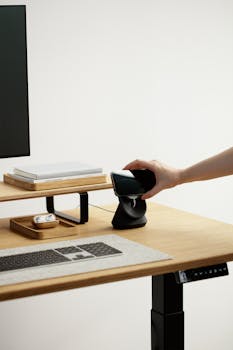
Setting up your workspace with intention helps support continuous progress. An orderly, distraction-free area encourages a strong daily productivity tips foundation for each task.
Begin by clearing unnecessary clutter from your desk. Visual distractions pull attention away from focused action and introduce a sense of chaos into your workflow.
Create a Dedicated Work Zone in Shared Spaces
Working at the kitchen table or in a common area? Mark off a work zone—a small rug or portable tray signals that you’re “in session.” This shifts your mindset immediately.
Try saying, “I’m using this spot for work from 9 to noon, then it’s yours!” Colleagues or family will soon recognize the boundary and adjust their interruptions accordingly.
Use a small basket or caddy to hold only your immediate work supplies. When finished, put everything away so your environment cues the next activity seamlessly.
Control Noise and Light for Greater Task Focus
Choose lighting that reduces eye strain—natural light when possible, a desk lamp for afternoons. Brighter spaces support better alertness and reinforce your daily productivity tips plan.
White noise machines or noise-canceling headphones help block distractions. Feeling alert and insulated from interruptions reinforces sustained periods of deep concentration.
If distractions persist, try a door sign, “Focusing now, please knock later,” or adjust your chair position to face away from traffic areas.
| Workspace Element | Best Practice | Pitfall to Avoid | Takeaway |
|---|---|---|---|
| Surface Clutter | Keep only active task materials on hand | Leaving old mail or non-work items visible | Remove distractions to focus faster |
| Lighting | Use bright, cool-toned lamps in the afternoon | Dim or warm lighting saps alertness mid-day | Bright light supports productivity |
| Seating | Choose a chair with back support and armrests | Sofas or stools encourage poor posture | Posture reduces fatigue and boosts energy |
| Noise Control | Play gentle white noise or classical music | TV, podcasts, or conversations nearby | Block audible distractions for deeper work |
| Boundaries | Signal your “work zone” to others clearly | Working in busy or shared spaces unannounced | Boundaries cut interruptions and stress |
Ritualizing Start and End of Work for Momentum
Anchoring your day with consistent cues gets your brain ready for action. Rituals signal the start and completion of focused periods, key daily productivity tips for reliability.
Consider pairing a specific action—like brewing coffee or opening your planner—with the start of each work session. This tells your mind, “Time to dig in.”
Design Opening and Closing Sequences that Stick
Opening rituals can include turning on a lamp, reviewing your to-do list, or playing a short theme song. When repeated, these anchor productive energy to your workspace.
Closing out work with a short note—”Here’s what I finished and what comes next”—lightens mental load for tomorrow. Even a two-minute recap can sustain momentum.
- Light a scented candle before work begins to cue “focus mode” for your senses; extinguish it to mark workday completion and trigger relaxation.
- Open a single app or notebook dedicated to new tasks—keep others closed to start clear and avoid split attention.
- Arrange your workspace at day’s end. Place tomorrow’s checklist front and center, resetting both physical space and intention with every pause.
- Play the same instrumental song when starting work. This consistent cue conditions focus and becomes a subtle mental prompt to get to work immediately.
- Review your progress out loud: “This is what I got done today.” Hearing personal achievement reinforces your commitment to daily productivity tips habit formation.
Daily rituals link structure to performance, ensuring progress even on low-motivation days. They make your work mode automatic, bypassing procrastination triggers over time.
Troubleshoot Rituals When They Lose Impact
If your starter ritual gets stale, shake it up—swap out music, recite a new affirmation, or tweak your environment for a sense of novelty.
Layer one new action every few weeks onto your sequence, such as a deep breath or quick stretch. This keeps your daily productivity tips habit fresh and engaging for the long term.
- Swap digital reminders for handwritten sticky notes to reinforce new rituals—seeing instructions in your own writing increases follow-through.
- Start your day by voicing your single most important task; this grounds your ritual with a clear mission for the day ahead.
- Use a small hourglass to mark the first or last ten minutes of your work sessions—visual timers turn intent into action easily.
- Test a “shutdown phrase” like “Work is done for now” to signal your brain to let go of lingering tasks as you wrap up.
- Repeat your favorite ritual even on weekends to make it automatic. Habits broken by days off lose their sticking power swiftly.
Assess rituals monthly and adjust for energy and engagement, keeping your daily productivity tips toolbox sharp. Flexibility ensures habits keep working no matter how routines shift.
Divide Big Tasks Into Atoms for Faster Wins
Breaking intimidating goals into tiny chunks makes follow-through much easier. These “micro-tasks” offer visible progress and help you leverage daily productivity tips without feeling stuck.
Instead of “write the entire report,” isolate the first three sentences or create a bullet outline. Smaller actions clear up momentum blockages and boost confidence fast.
Divide by Output, Not Time
Focus on the next action needed—like “sketch slide ideas,” not “work for 30 minutes.” Output-based goals drive real completion, not just busywork at your desk.
Statements like “I’ll fix the intro paragraph before lunch” provide direction and a clear endpoint. Even minor completion triggers dopamine, fueling further action.
Use a sticky note labeled “next move” to keep priorities visible until they’re finished. Remove the note once completed, then create a new micro-task immediately for the next step.
Plan Stepwise Progress for Confidence
Build a mini-checklist for a larger task: brainstorm ideas, research, make a draft, revise, then finalize. This map reassures you of progress, one concrete step at a time.
Mark completed steps with a check mark or cross them off in bold pen. Visual evidence of wins is as motivating as seeing completed loads of laundry add up.
If stuck, try the “two-minute rule”: devote exactly two minutes to any tiny sub-task. The sense of starting is enough to unlock new momentum and overcome inertia.
Ending Your Day With a Reset Ritual That Lasts
Finishing your day on purpose refreshes your energy and organizes your thoughts for tomorrow. This produces a “clean slate” effect—a top daily productivity tips strategy for the next day.
After working, close your computer, jot down three wins, and plan one key goal for tomorrow. This step signals to your brain and body that work is complete.
Establish a Wind-Down Boundary
Turn down screen brightness, change into more comfortable clothes, or put a gentle chime on your phone. These micro-boundaries support switching gears for restful downtime.
Physical cues—lights off, mug washed, workspace tidied—mark the end of work. Repeating these cues daily makes “work is done” feel real, strengthening your boundary between work and rest.
Creating an “end of day checklist” (log off apps, recap accomplishments, prep morning items) also affirms your daily productivity tips mindset and reduces fretful thoughts later.
Prepare for Tomorrow in Two Steps
Quickly scan your calendar or next day’s priorities, but limit preview time to five minutes. This keeps focus forward but doesn’t spiral into over-planning or worry at night.
Keep your preview practical: “Tomorrow at ten, start with research. At noon, break for lunch.” Your mind relaxes, knowing that a loose plan is ready to go in the morning.
Close the day with a non-work ritual: read fiction, stretch, or chat with a friend. Pairing down-time with your process makes daily productivity tips enjoyable and sustainable.
Embracing Micro-Movement Breaks for Lasting Energy
Integrating short movement bursts every hour dissolves physical stiffness and mental sluggishness. These movement cues are reliable daily productivity tips when you’re sitting for lengthy periods.
Interrupting static routines with a 60-second stretch shifts brain chemistry and sends new energy through your system, making focus and creativity easier to reclaim fast.
Use Predictable Cues to Trigger Micro-Movements
Stand and reach arms overhead after each completed email batch, or do ten leg lifts as your coffee brews. These link movement to pre-existing routines without extra effort.
Try “when X, then move Y” plans: “After ticking off each to-do, do five side bends.” Associating triggers automates physical resets, helping you stay energized without thinking about it.
Log your movement breaks alongside each completed task. The visible link between progress and energy boosts satisfaction and becomes part of your daily productivity tips practice.
Pair Movement With Mental Refresh Cues
As a new task begins, roll your shoulders or squeeze a stress ball for 30 seconds. These micro-signals wake up both body and brain and reinforce a smooth attention shift.
For strength, sneak in a set of wall push-ups after a tough call or meeting. Doing this becomes a reward, releasing a wave of endorphins and recharging motivation quickly.
Take a brisk walk to refill your water bottle every hour. This refreshes circulation and breaks up long sitting spells, a recommended step in daily productivity tips protocols.
Pacing Your Day with Mini-Deadlines and Celebrations
Assigning deadlines within the day builds gentle urgency and keeps tasks from sprawling. These deadlines, when paired with tiny celebrations, reinforce progress and give structure to your daily productivity tips toolbox.
Announce deadlines to yourself: “Finish this edit by 2:30, then take a music break.” This self-directed structure guides focus and lets you track true advancement.
Build Your Custom Deadline Map
Combine your to-do list with estimated finish times. Jot down: “Emails by 10, reports by lunch, test plan before three.” Checking times off increases both speed and satisfaction.
Celebrate each finish line, even if it’s a two-minute pause for fresh air. Pair every small achievement with a moment of acknowledgment to lock in the daily productivity tips habit.
When a task slips past its mark, gently move it to a new slot—no self-critique. The map is a tool, not a weapon, to keep improvement constructive.
Train Yourself to Spot Progress, Not Just Problems
At day’s end, circle wins and write one sentence about today’s biggest improvement. “I completed three tasks before 11 AM” embeds a success script for tomorrow’s motivation.
Invite a family member or coworker to join your daily win recap. Sharing progress out loud keeps daily productivity tips top-of-mind for everyone and boosts mutual morale.
If motivation dips, set the day’s smallest deadline: “Organize one file by 4:00.” Achievement, no matter how small, refuels confidence and turns the day around.
Conclusion: Small Tweaks Make Daily Productivity Stick
Accumulated small changes, from workspace tweaks to mini-rituals and physical resets, lead to sustainable improvement. Try picking just one new daily productivity tips tactic this week and track the results.
By relying on practical cues, realistic micro-tasks, and energy-conscious routines, you create new opportunities for progress—even during busy or unpredictable days. Each adjustment compounds, shaping your ideal rhythm for work and rest.
When you consistently integrate daily productivity tips into your routines, you build strengths that last. Embrace small changes as building blocks to a more focused, fulfilling, and productive life.